Florida Bed Bug Law
What Is Florida Bed Bug Law?
Bitten by Bed Bugs at a Florida Hotel, Resort, Apartment, or Vacation Rental?
A Florida trip should not end with painful bites, ruined luggage, medical bills, and a property manager who refuses to take responsibility. If you were bitten by bed bugs at a hotel, resort, motel, apartment, Airbnb, VRBO, or other rental property in Florida, you may have a legal claim.
Our firm represents people injured by unsafe lodging and rental conditions across Florida. Bed bug cases are not just about discomfort. They often involve preventable infestations, ignored guest complaints, poor inspection practices, and property owners who failed to keep rooms safe, sanitary, and pest-free.
Florida Law Requires Safe, Sanitary Lodging
Florida law places important duties on hotels, motels, resorts, and other licensed lodging establishments.
Under Florida Statute § 509.221, public lodging establishments must be operated with strict regard for the health, comfort, and safety of guests. The law also requires bedding to be clean and fit for use, and it requires licensed establishments to take effective measures against vermin entering and breeding on the property. If a room is infested, the operator must fumigate, disinfect, renovate, or take other corrective action until the vermin are exterminated.
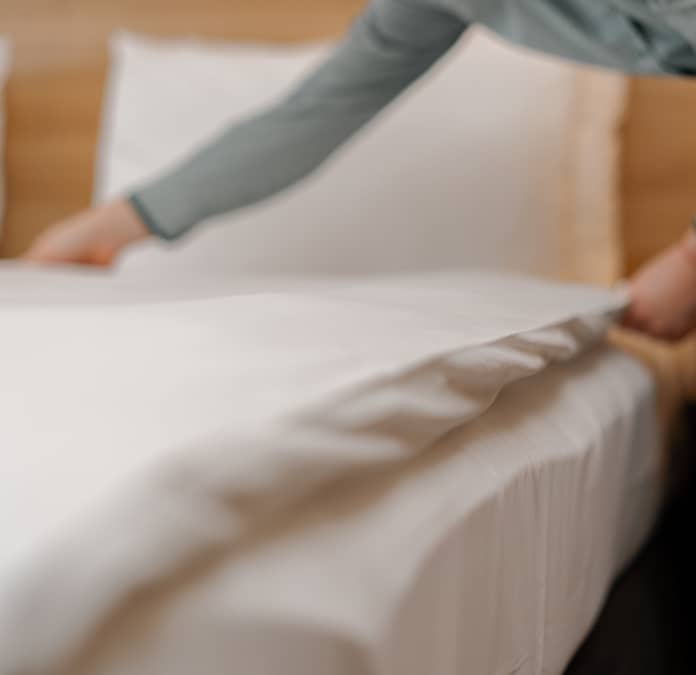
In plain English: hotels and resorts cannot simply rent out rooms and hope there are no bed bugs. They are expected to maintain safe, sanitary rooms, respond to signs of infestation, and take real corrective action when bed bugs are found.
Florida Landlords May Also Be Responsible for Bed Bugs
Bed bug liability is not limited to hotels. Florida residential landlord law also addresses pest control.
Florida Statute § 83.51 requires landlords of dwelling units other than single-family homes or duplexes to make reasonable provisions for the extermination of rats, mice, roaches, ants, wood-destroying organisms, and bed bugs during the tenancy. The statute also requires landlords to maintain common areas in a clean and safe condition.
That means apartment complexes, multi-unit rentals, and similar residential properties may be responsible when tenants or guests are exposed to bed bugs because the property owner failed to inspect, treat, maintain, warn or respond appropriately.
What About Airbnb, VRBO, and Other Vacation Rentals?
Even when a property is booked through Airbnb, VRBO, or another vacation rental platform, owners and hosts still have duties under Florida negligence law. A host generally cannot ignore known bed bug problems, conceal complaints, rent an unsafe unit, or rely on fine-print disclaimers to avoid responsibility for preventable harm.
If the property owner, host, manager, or rental company knew or should have known about a bed bug infestation and failed to take reasonable steps to protect guests, they may be liable.
Signs a Bed Bug Case May Be Strong
A bed bug claim may be stronger when there is evidence that:
- Previous guests complained about bites or bed bugs
- Online reviews mentioned bed bugs before your stay
- The property refunded your stay or admitted there was a problem
- You found live bugs, blood stains, fecal spots, eggs, or shed skins
- Management failed to call a licensed pest control provider
- The property continued renting the same room after bed bug complaints
- You required medical treatment or had significant skin reactions
- Your clothing, luggage, or personal items had to be cleaned, treated, or replaced
Bed bug cases often turn on what the property knew, when it knew it, and what it did in response.
What Compensation Can Be Recovered?
Every case is different, but compensation in a Florida bed bug bite case may include:
- Medical bills and dermatology treatment
- Prescription medications and over-the-counter treatment costs
- Replacement of contaminated luggage, clothing, and personal property
- Cleaning, laundering, heat treatment, or extermination expenses
- Refunds for affected nights
- Hotel relocation or extra travel costs
- Lost wages, when applicable
- Pain, itching, scarring, allergic reactions, and emotional distress
- Loss of vacation time or disruption of travel plans
A serious infestation can follow you home, affect your sleep, damage your belongings, and create weeks or months of stress. Those losses matter.
Do Not Wait to Protect Your Claim
Florida filing deadlines are short. Waiting too long can permanently destroy your right to recover compensation.
You should also act quickly because bed bug evidence can disappear. Rooms get treated. Reviews get buried. Employees forget details. Photos, receipts, medical records, pest control reports, and communications with management can become critical.
What To Do After Bed Bug Bites in Florida
If you believe you were bitten by bed bugs at a Florida property:
- Take clear photos of the bites, the room, bedding, mattress seams, bugs, stains, and any visible evidence.
- Report the issue to management in writing.
- Ask for a written incident report.
- Save all emails, texts, booking confirmations, receipts, and refund communications.
- Seek medical care if you have swelling, infection, allergic symptoms, scarring, or severe itching.
- Do not throw away damaged property until you have photographed it.
- Avoid signing a release or accepting a quick settlement before speaking with a lawyer.
Talk to a Florida Bed Bug Bite Lawyer
Property owners, hotels, resorts, landlords, and short-term rental hosts have a responsibility to provide safe and sanitary accommodations. When they ignore bed bugs or fail to correct an infestation, guests and tenants can suffer real harm.
If you were bitten by bed bugs in Florida, contact our firm for a free consultation. We can review what happened, help to preserve key evidence, identify the responsible parties, and explain whether you may have a claim for compensation.
Call today 1-800-631-9009 for a free case review. You pay no attorney’s fee unless we recover money for you.

Frequently Asked Questions
COMMON QUESTIONS
The Division of Hotels & Restaurants has an easily searchable online database of licensed vacation rentals. The database provides the location address of every vacation rental condo or dwelling that is currently licensed by the division and the database refreshes daily to reflect the most up-to-date information, as provided by our licensees. Please click the following link to view the Vacation Rental Database.
If you suspect bed bugs after a hotel stay, immediately:
- Isolate belongings: Bag items separately to avoid spreading the bugs.
- Wash & dry clothes: Use high heat to kill any bed bugs on fabrics.
- Inspect luggage: Thoroughly check for signs of bed bugs.
- Notify hotel: Inform management promptly and document the issue.
- Seek medical advice: If you have bites or concerns, consult a doctor.
- Contact an attorney: If you experience significant harm, legal action may be warranted.
- The female bed bug lays between 200 to 500 eggs (in groups of 10 to 50) on rough surfaces such bedding, paper, wood etc.
- Eggs are covered with cement and hatch in about 10 days.
- There are five progressively larger nymph stages, each requiring a single blood meal before molting to the next stage.
- The entire bed bug life cycle from egg to adult takes from 5 weeks to 4 months
- Adults bed bugs live up to 10 months